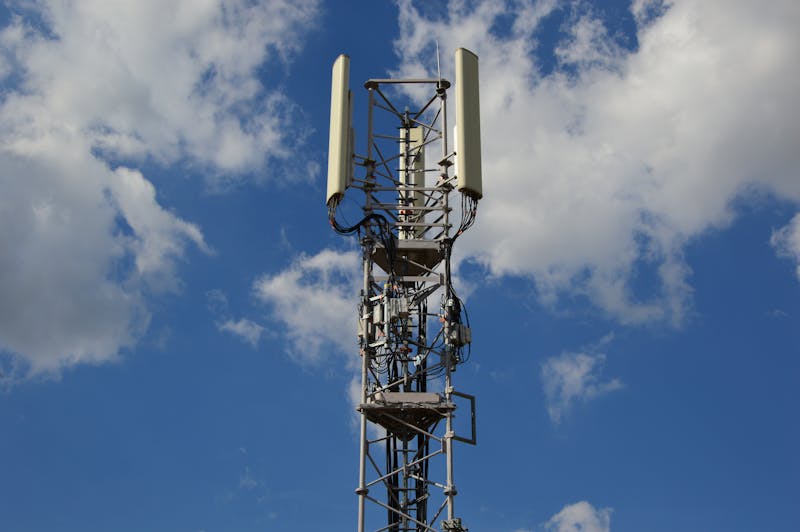
Singapore is one of the most connected cities in the world, boasting some of the highest smartphone penetration rates and fastest mobile network speeds across Southeast Asia. Whether you are a long-time resident, a newly arrived expatriate, or a frequent traveller passing through, understanding how to manage your mobile plan, topup your SIM effectively, and participate in mobile testing programs can make a significant difference — both in how reliably you stay connected and in how much value you extract from your mobile usage.
At Sinus TP, we work daily with users who want to get the most from their mobile experience in Singapore. Through our testing programs, topup services, and network insights platform, we have gathered a wealth of practical knowledge. In this guide, we share five essential, actionable tips that will help you navigate mobile connectivity in Singapore with confidence.
Singapore has four major mobile network operators — Singtel, StarHub, M1, and TPG — each with distinct coverage maps, pricing structures, and data speeds. Choosing the right one depends on where you live, work, and travel within the island.
Tip 1: Choose the Right Plan Before You Topup
One of the most common mistakes mobile users make in Singapore is topping up a prepaid SIM without first reviewing whether their current plan still fits their usage patterns. Mobile data consumption habits shift — streaming habits change, remote work increases data needs, and travel within the region may require roaming add-ons. Before hitting the topup button, take five minutes to review your data usage statistics on your device settings.
What to Check Before Every Topup
- Data rollover policy: Some plans allow unused data to carry forward; others do not. If you regularly have leftover data, you may be over-topping up.
- Validity period: Prepaid credits in Singapore typically expire between 30 and 180 days. Topping up before expiry resets the clock, but the amount you add should reflect your actual usage within that window.
- Bundle vs. top-up: Operator bundle packs often offer far better data-per-dollar value than a simple credit topup. Check if a $10 bundle pack gives you 3GB versus just a $10 credit that buys fragmented access.
- Promotional periods: Singapore's telcos regularly run bonus data promotions tied to festive seasons, national events, and app-exclusive offers. Timing your topup to coincide with these can yield 50–100% more data at no extra cost.

Taking a moment to review your plan before topping up can save you money and ensure you get the best value for your mobile budget.
Tip 2: Participate in Mobile Testing Programs to Earn Rewards
Did you know that mobile network operators and technology companies in Singapore regularly pay users to test their networks? Mobile testing programs are structured initiatives where willing participants use their devices normally — making calls, streaming video, browsing the web — while an app quietly records signal strength, connection stability, latency, and download speeds in the background.
These programs benefit operators by giving them granular, real-world coverage data far more accurate than lab testing alone. In return, participants receive tangible rewards: free data credits, prepaid topup vouchers, cashback, or loyalty points that can be redeemed for products and services.
How to Identify Legitimate Testing Programs
With any reward-based program, it is important to verify legitimacy before sharing your device or data. Here are the key markers of a trustworthy mobile testing program:
- The program is run or formally endorsed by a licensed telecom operator or registered technology company in Singapore.
- A clear privacy policy explains what data is collected, how it is stored, and how long it is retained.
- Rewards are clearly defined upfront, with transparent redemption processes and no hidden conditions.
- The testing app has visible reviews in the App Store or Google Play, and the developer is identifiable.
- There is a support channel — email, phone, or live chat — where you can ask questions and get answers from real people.
Always read the terms and conditions of any testing program before enrolling. Legitimate programs will never ask for your banking credentials, full NRIC number, or passwords. If a program requests this information, walk away immediately.
Tip 3: Understand Singapore's Network Coverage Map
Singapore may be a small island, but there are notable differences in network performance across different zones. MRT tunnels, basement carparks, dense urban canyons between skyscrapers, and certain industrial estates in the west and north-east have historically been spots where certain operators underperform.
The Infocomm Media Development Authority (IMDA) of Singapore publishes annual network quality reports that compare operators on key metrics including indoor coverage, download speeds, and call completion rates. Before committing to a prepaid plan or a 12-month contract, it is worth spending 10 minutes on the IMDA website to check how each operator rates in the areas most relevant to your daily life.
Practical Steps for Checking Coverage
- Visit each major operator's website and use their interactive coverage map. Filter by 4G and 5G layers separately to understand your options.
- Ask friends or colleagues who live or work in the same areas as you which operator they use and whether they experience dropped calls or slow data.
- If you are unsure, consider using a dual-SIM device and running two different operators in parallel for a month before committing to one plan for the long term.
- Participate in a community-driven network mapping program — apps like Sinus TP's testing platform let you contribute to a shared coverage database that benefits everyone.

Understanding network coverage across Singapore's different zones helps you make smarter decisions about which operator and plan best suits your lifestyle.
Tip 4: Use Auto-Topup Wisely — But Stay in Control
All major Singapore operators now offer auto-topup features linked to a credit card, debit card, or PayNow account. The convenience is real: you never run out of credit mid-call or mid-stream. However, auto-topup can also lead to complacency — users who set it and forget it often end up paying for data bundles that no longer suit their usage, or missing better-value plans that have launched since they configured the feature.
Our recommendation is to use auto-topup as a safety net rather than a primary management strategy. Set the trigger threshold low enough that it only activates if you genuinely run out — not as a routine monthly payment. Then schedule a calendar reminder every quarter to log into your operator account, review your usage analytics, and confirm that the auto-topup amount and bundle configuration still reflects your actual needs.
Smart Auto-Topup Configuration Checklist
- Set the auto-topup trigger at a balance threshold of $2–$5, not as a scheduled monthly charge, to preserve conscious awareness of your spending.
- Link to a card that has transaction alerts enabled so you are notified each time an auto-topup fires.
- Review your auto-topup settings every time your operator sends a plan update email — these often coincide with pricing changes that may affect the value you are getting.
- If travelling internationally, temporarily increase your trigger threshold or switch to a roaming-inclusive bundle to avoid bill shock from accidental data roaming charges.
Tip 5: Combine Recharge with Loyalty and Cashback Programmes
Singapore has a rich ecosystem of loyalty programmes — NTUC LinkPoints, CapitaVouchers, ShopBack, Fave, and bank cashback cards — and many of these integrate directly with mobile topup and recharge transactions. Users who are strategic about layering these programmes can effectively reduce their net mobile spend by 10–25% each month.
For example, topping up through the Singtel, StarHub, or M1 apps via a cashback credit card that rewards utilities and telco transactions can yield 1–5% cashback on every topup. Stacking this with a ShopBack portal cashback offer on the same transaction can add another 2–3%. Over a year, this can amount to meaningful savings — or, alternatively, reinvested into premium data bundles for faster streaming and downloads.
Three Actionable Steps to Start Today
-
Audit your current topup method Log into your operator account right now and identify whether you are topping up directly, via the operator app, or through a third-party portal. If you are going direct, research whether a cashback portal gives you an equivalent or better rate.
-
Register for your operator's loyalty programme Singtel's Reward+, StarHub's Rewards, and M1's M1 Plus programme all offer points on topup transactions. Registration is free and takes under five minutes — there is no reason not to be enrolled.
-
Join a mobile testing programme for bonus credits Platforms like Sinus TP offer supplementary topup credits and recharge vouchers as rewards for network testing participation. Combining these with your regular cashback strategy maximises the overall value of every dollar you invest in your mobile plan.
Bringing It All Together
Staying well-connected in Singapore does not require spending more money — it requires spending smarter. By evaluating your plan before every topup, participating in legitimate testing programs for rewards, understanding where your network performs best, managing auto-topup as a conscious safety net rather than a passive expense, and stacking loyalty and cashback programmes on every recharge transaction, you can meaningfully upgrade your mobile experience at little to no additional cost.
At Sinus TP, our mission is to bridge the gap between mobile users and the technology ecosystem shaping Singapore's connected future. Whether you are looking for the best topup solutions, want to earn rewards through mobile testing, or simply want clarity on which plan suits your lifestyle, our team is here to guide you every step of the way.
Explore our mobile testing and topup services or contact our team to find the right programme for your needs. We are based at Gleneagles Medical Centre, Singapore, and available Monday to Friday, 9am–6pm.

Marcus Tan
Marcus is a Mobile Technology Specialist at Sinus TP with over 8 years of experience in network quality assessment, SIM ecosystem analysis, and consumer mobile education across Singapore and Southeast Asia. He leads Sinus TP's testing programme partnerships and writes regularly about mobile connectivity trends.